
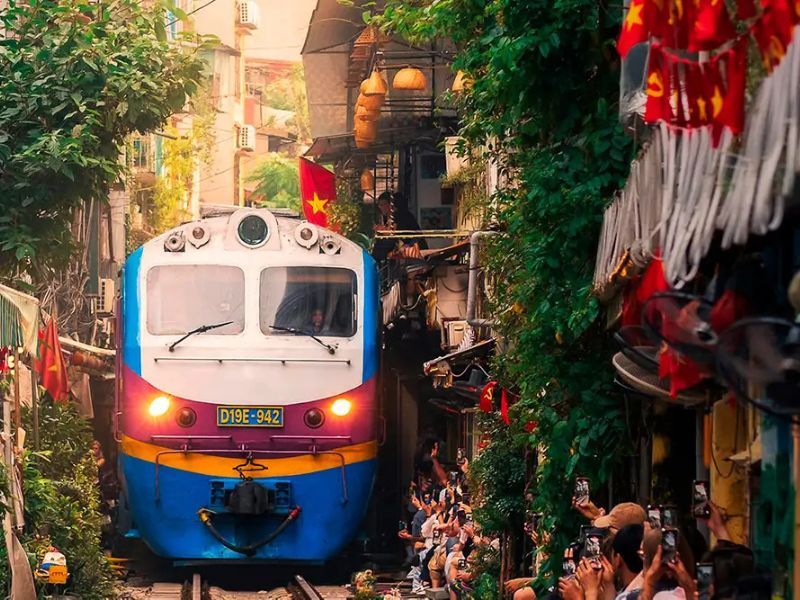
Vietnam is a destination shaped by centuries of history, layered cultures, and strong local traditions that continue to influence daily life. Nowhere is this heritage more concentrated and accessible than in Hanoi, where imperial landmarks, spiritual sites, and living neighborhoods come together to form a compact yet culturally rich capital, making it an essential starting point for heritage-focused group and FIT programs.
1. Top Cultural Site in Hanoi
Before diving into specific landmarks, it is important to understand that Hanoi’s cultural heritage sites are closely connected by location, history, and daily local life. Many of these sites can be combined into half-day or full-day programs, making itinerary flow and pacing just as important as the sites themselves. For international partners working with a vietnam b2b travel agency to ensure smooth and meaningful experiences. Below are the key cultural heritage sites most commonly featured in Hanoi programs.
1.1. The Imperial Citadel of Thang Long
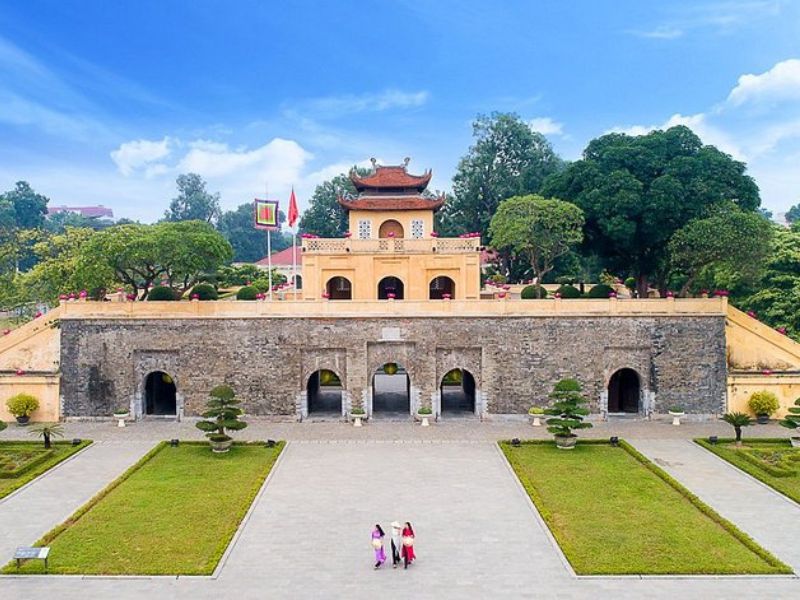
The Imperial Citadel of Thang Long is a UNESCO World Heritage Site and one of Hanoi’s most important historical complexes. For over a thousand years, it served as the political center of successive Vietnamese dynasties, leaving behind archaeological layers that reflect different periods of the city’s development.
Today, visitors can explore ancient gates, royal foundations, and open courtyards that provide a sense of scale and continuity. Compared to other central landmarks, the site offers a spacious and quieter environment, allowing time to appreciate Hanoi’s long and evolving imperial history.
1.2. Temple of Literature (Van Mieu – Quoc Tu Giam)
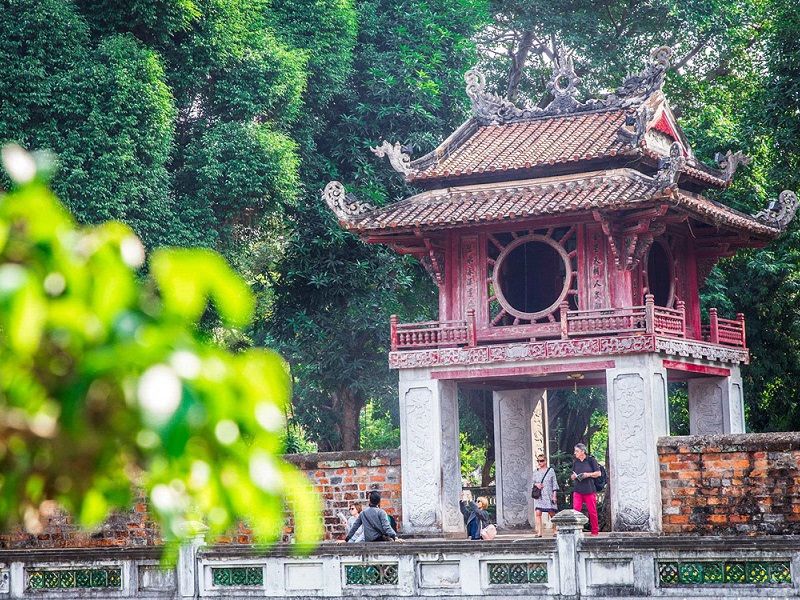
The Temple of Literature is one of Hanoi’s most significant cultural and educational landmarks. Founded in the 11th century, it is regarded as Vietnam’s first national university and reflects the country’s long-standing respect for learning and scholarship.
The complex is dedicated to Confucius and generations of scholars, with stone steles honoring successful candidates of royal examinations. Its courtyards, gardens, and traditional architecture create a calm atmosphere, making it a meaningful stop for visitors seeking insight into Vietnam’s intellectual and cultural traditions.
1.3. Ho Chi Minh Mausoleum Complex
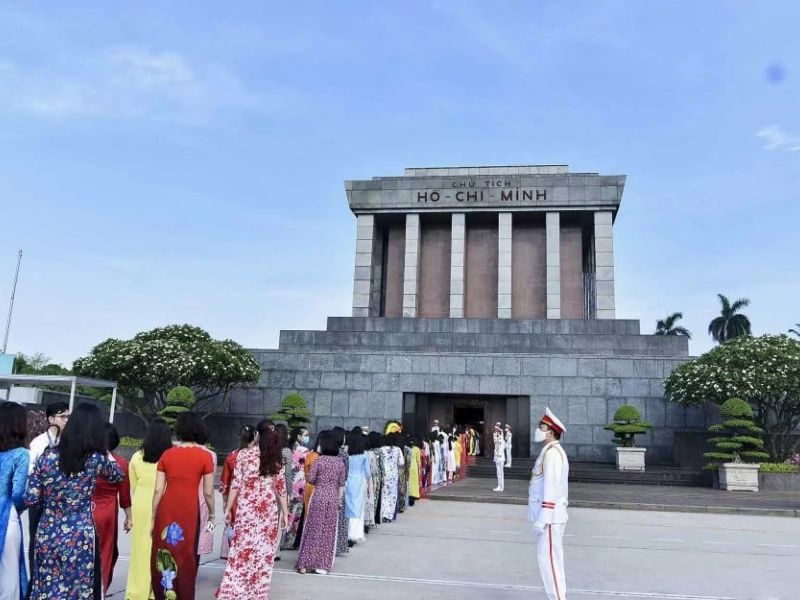
The Ho Chi Minh Mausoleum Complex is one of Hanoi’s most important cultural and historical landmarks. It reflects modern Vietnam’s respect for its national leader and plays a central role in the country’s collective memory. Visitors follow a formal process when entering the mausoleum, and respectful behavior is expected throughout the area.
Surrounding the mausoleum are Ba Dinh Square, the Presidential Palace grounds, and shaded gardens that create a calm, ceremonial atmosphere. Early morning visits offer a quieter experience and a chance to observe local traditions connected to this significant site.
1.4. One Pillar Pagoda
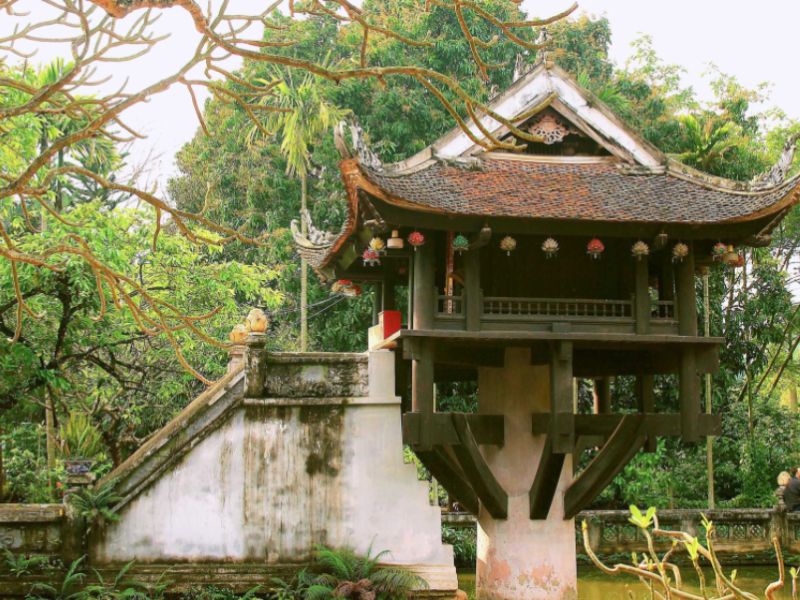
One Pillar Pagoda is one of Hanoi’s most recognizable religious structures, known for its distinctive design resembling a lotus rising from the water. Built in the 11th century, the pagoda symbolizes purity, compassion, and spiritual balance. Although small in size, it holds deep significance for locals who visit to pray for health and good fortune. Located near the Ho Chi Minh Mausoleum Complex, it is often included as a brief cultural stop, where visitors are encouraged to observe quietly and dress modestly in respect of its religious function.
1.5. Hanoi Old Quarter
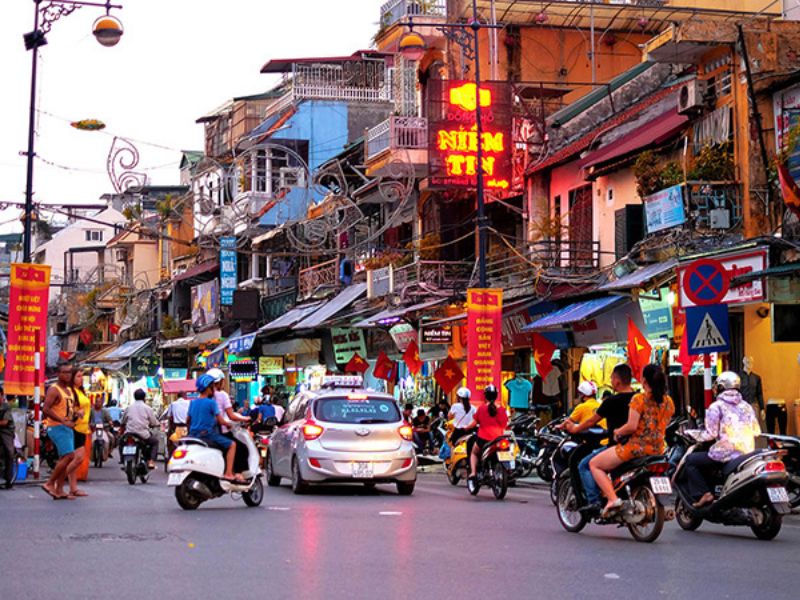
The Hanoi Old Quarter offers a vivid glimpse into the city’s living heritage. Narrow streets, traditional trade quarters, and everyday activities unfold side by side, creating an atmosphere that feels both energetic and deeply rooted in history. Each street was once associated with a specific craft or trade, traces of which can still be seen today. Walking through the Old Quarter allows visitors to observe local life at close range, from street food vendors to family-run shops. The area is best explored slowly, with time to absorb its rhythm and character.
1.6. Hoa Lo Prison Museum
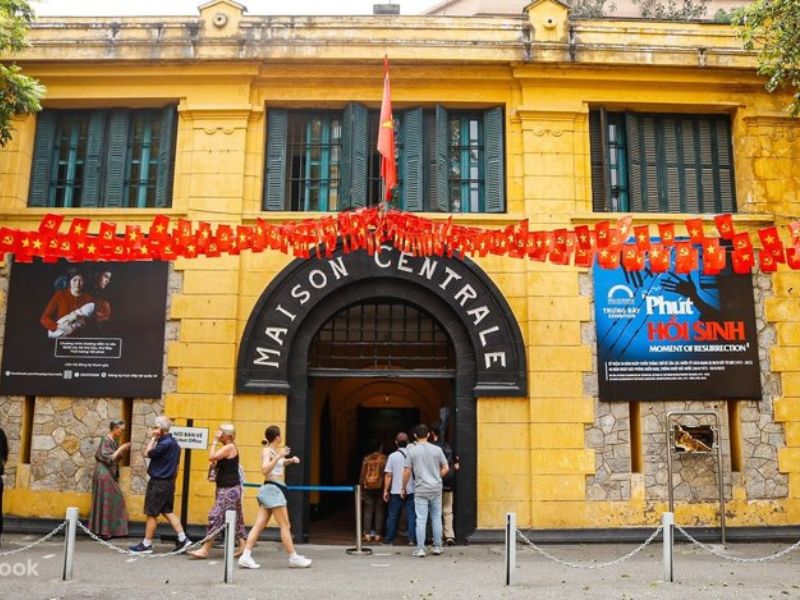
Hoa Lo Prison Museum presents a powerful chapter of Hanoi’s colonial-era history. Originally built during French rule, the site now functions as a museum documenting different periods of its past through preserved spaces and exhibitions. The experience is informative and reflective, offering insight into historical events that shaped modern Vietnam.
Visitors often appreciate the clear layout and focused storytelling, which helps place the site within a broader historical context. Due to its subject matter, the museum is particularly suitable for travelers interested in history and cultural understanding.
1.7. Ngoc Son Temple & Hoan Kiem Lake
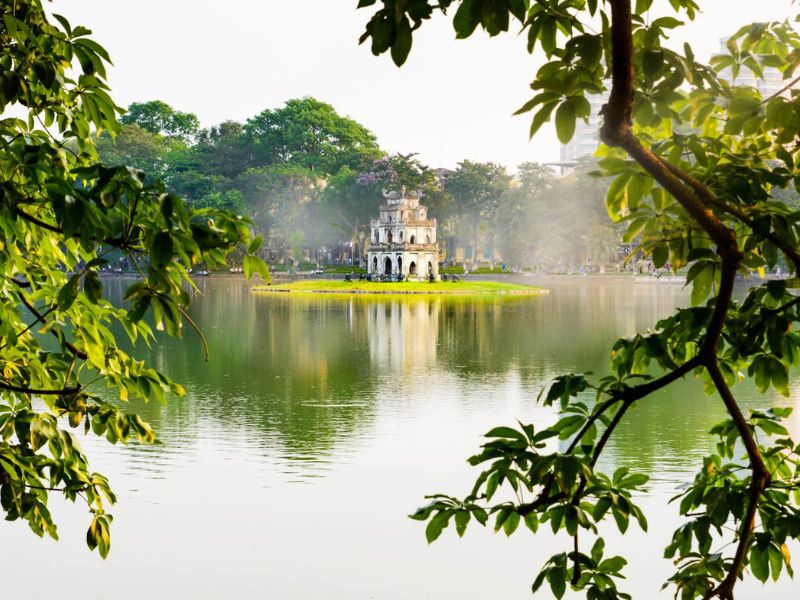
Ngoc Son Temple sits on a small island in Hoan Kiem Lake, one of Hanoi’s most iconic and peaceful settings. Connected by a red wooden bridge, the temple is associated with local legends and traditional beliefs. Hoan Kiem Lake itself serves as a social and cultural gathering space, especially popular in the early morning and evening. Visitors can observe daily activities such as walking, light exercise, and informal social gatherings, making the area a natural blend of heritage, legend, and contemporary city life.
1.8. Traditional Houses & Communal Spaces
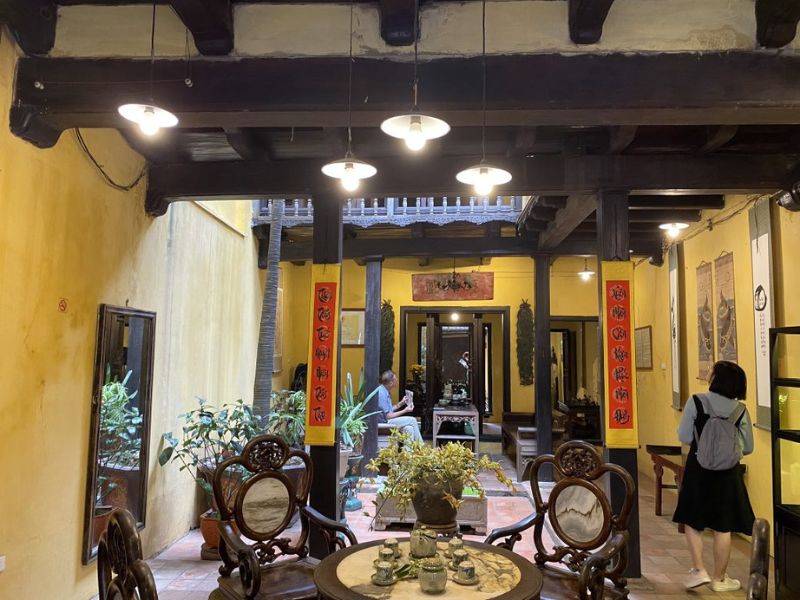
Traditional houses and communal spaces offer a closer look at Hanoi’s residential heritage and community-based culture. Sites such as Ma May Ancient House (87 Ma May Street) preserve the layout and architecture of a traditional merchant home in the Old Quarter, reflecting how families once lived and worked in shared spaces. Kim Ngan Communal House, formerly a gathering place for silver craftsmen, highlights the role of trade guilds in shaping Hanoi’s urban life. These quieter heritage sites provide an intimate contrast to major landmarks, allowing visitors to better understand everyday traditions and social structures that continue to influence the city today.
2. Tips When Visiting Heritage Sites in Hanoi
Hanoi’s heritage sites are closely connected to local traditions, religious practices, and everyday life. A little awareness goes a long way in helping visitors enjoy these places respectfully while also enhancing the overall experience. Keeping a few practical tips in mind will help ensure smoother visits and more meaningful cultural encounters throughout the city.
- Dress modestly when visiting temples, pagodas, and ceremonial sites, covering shoulders and knees where possible
- Speak softly and behave respectfully, especially in places of worship and memorial sites
- Follow local instructions and signage, particularly at sites with security or regulated entry
- Ask for permission before photographing people, monks, or active religious rituals
- Avoid touching statues, altars, or sacred objects unless clearly allowed
- Visit early in the morning or later in the afternoon to avoid crowds and heat
- Take time to observe local customs and daily activities rather than rushing through each site
Hanoi’s cultural heritage is best understood as a connected story rather than a collection of individual landmarks. From imperial sites and educational institutions to spiritual spaces, museums, and living neighborhoods, each place adds a different layer to the city’s identity. When explored thoughtfully, these sites offer insight into Hanoi’s history, beliefs, and everyday life, helping visitors experience the capital through the cultural rhythm that continues to shape the city today.